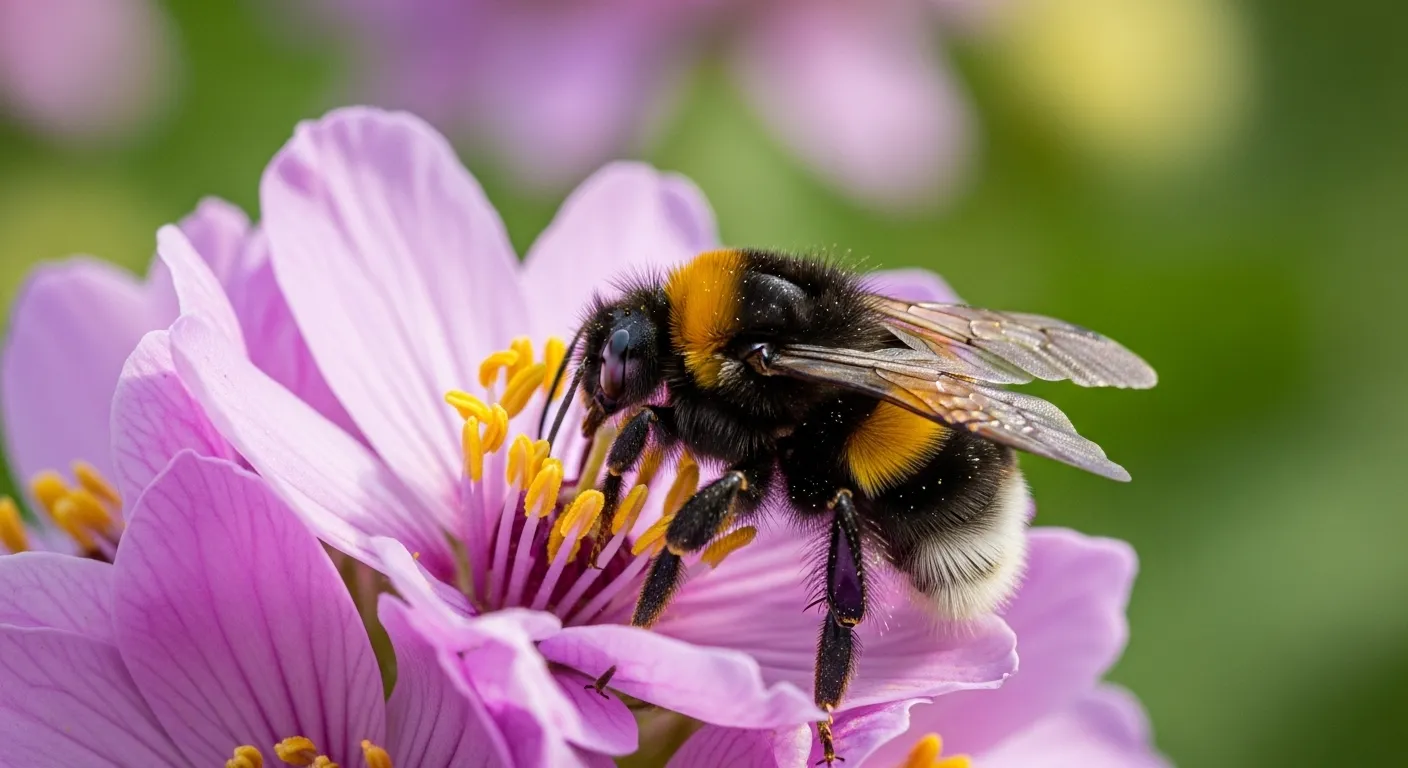
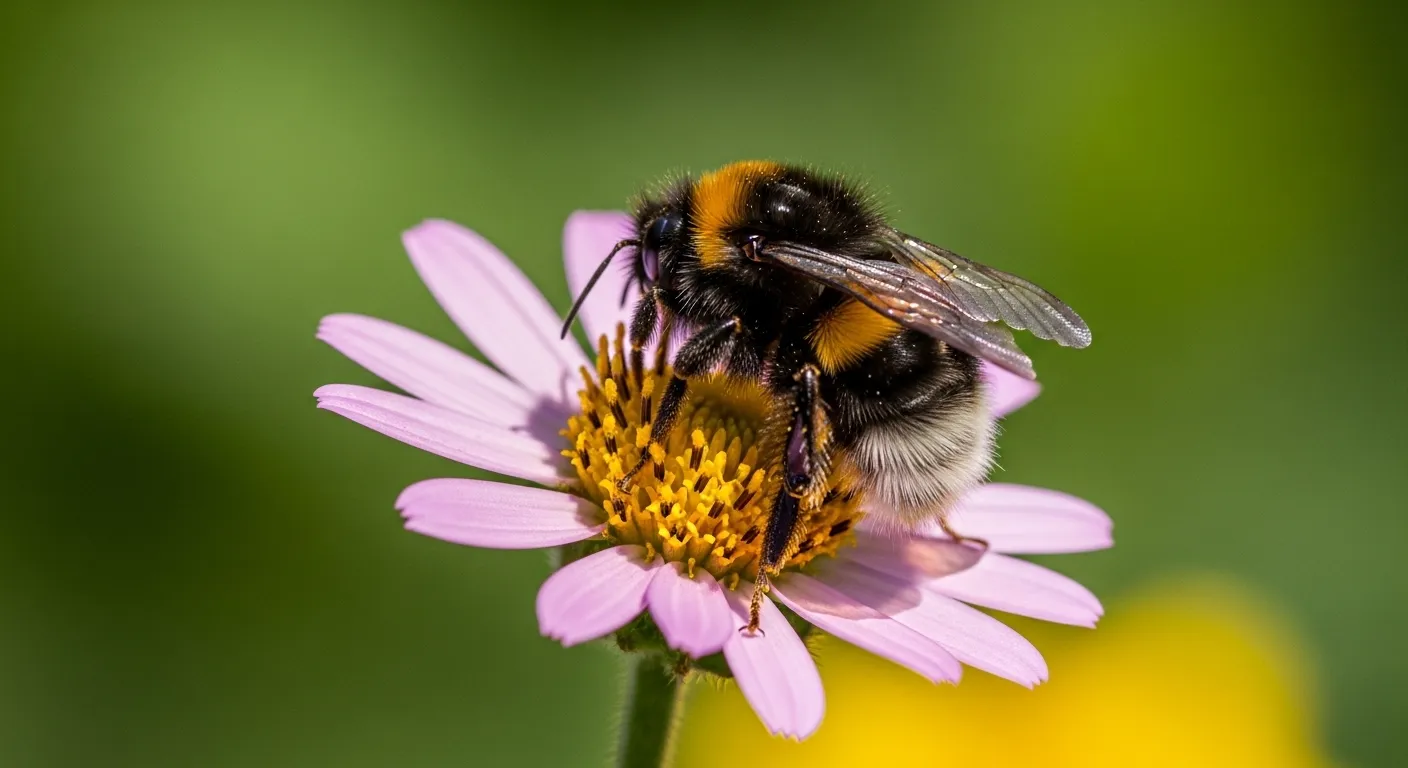
Bumblebees are among nature’s most important pollinators, bringing life to gardens, farms, and wild landscapes. Yet despite their constant activity, these fuzzy insects live surprisingly short lives. Understanding how long do bumble bees live reveals a fascinating system of survival and reproduction that changes dramatically between queens, workers, and males.
In most temperate regions, bumblebee colonies follow a strict annual cycle. Only newly fertilized queens survive winter to start new colonies in spring, while worker bumblebees usually live just 2 to 6 weeks during summer. Male bumblebees live even shorter lives, surviving only long enough to mate before dying in autumn. This clear difference in bumble bee life span reflects the specialized role each caste plays in colony survival.
Many factors influence how long bumblebees live, including climate, food availability, predators, disease, and human pressures such as pesticides and habitat loss. Because bumblebee colonies begin again every year—unlike honeybees—their short lifespan is both fragile and remarkable. This complete guide explores the full life cycle of a bumblebee, the lifespan of each caste, and the key conditions that determine whether colonies survive or disappear.
Table of Contents
Exactly How Long Do Bumble Bees Live? Queen, Worker & Male Lifespan
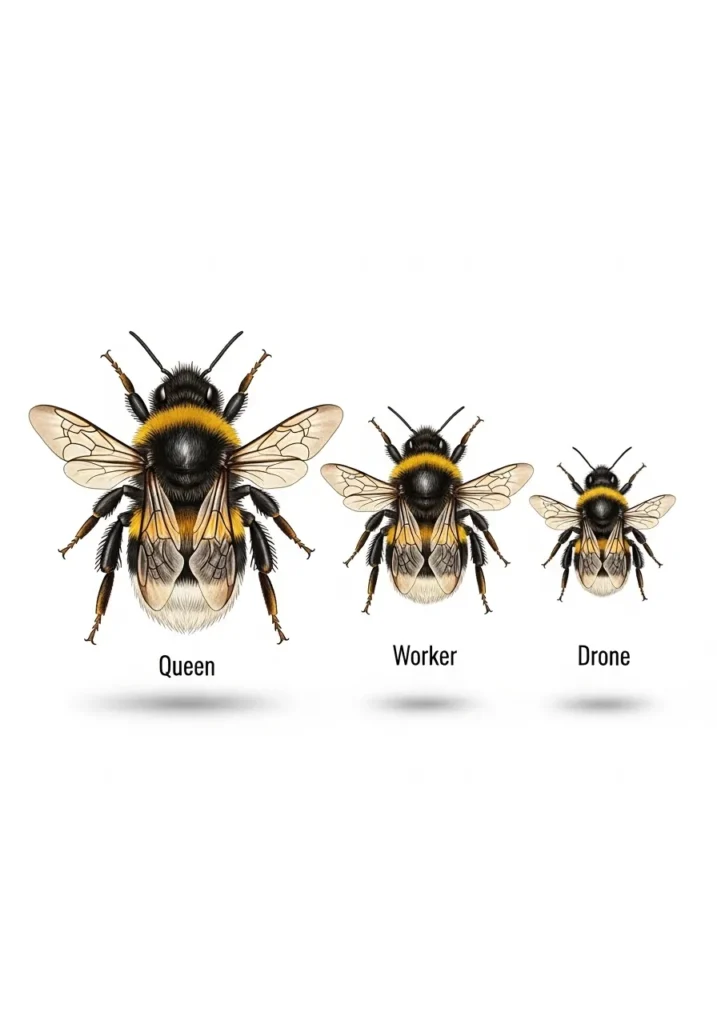
The question of how long do bees live becomes significantly more complex when examining bumblebees because their lifespan varies dramatically based on caste. Each type of bumblebee queens, workers, and males has evolved distinctly different longevity adapted to their specific biological roles within the colony structure.
Queen Bumblebee Lifespan
Queen bumblebees are the longest-lived members of any bumblebee colony, with a typical lifespan spanning approximately one year from emergence to death. A queen’s life begins when she emerges as a new adult in late summer, mates with males, and then prepares for winter dormancy. She survives the cold months by entering a state called diapause, essentially hibernating underground in protected locations like loose soil, leaf litter, or abandoned rodent burrows. This winter survival period alone can last six to eight months depending on geographic location and climate.
When spring arrives and temperatures consistently reach appropriate levels, the queen emerges from hibernation and immediately begins searching for a suitable nest site. She then spends several weeks establishing her colony, laying eggs, and initially caring for the first brood of workers herself. Once workers mature and assume colony duties, the queen focuses primarily on egg-laying for the remainder of the active season. Most queens die in late summer or early autumn after producing the reproductive generation of new queens and males, having completed their biological imperative. In total, from emergence to death, queens typically survive ten to twelve months, though some may live slightly longer under optimal conditions. This long survival period explains why queens define how long do bumble bees live at the colony level.
Worker Bumblebee Lifespan
Worker bumblebees have considerably shorter lives than queens, with most surviving only two to six weeks as adults. These sterile females emerge from eggs laid by the queen throughout spring and summer, developing through larval and pupal stages before beginning their adult working life. The lifespan of bumblebee workers depends partly on when during the season they emerge, with early-season workers sometimes living slightly longer than late-season ones.
Worker bees engage in intensive labor that accelerates their mortality. They perform all colony maintenance tasks including nest construction, brood care, temperature regulation, and most critically, foraging for nectar and pollen. Foraging is particularly hazardous and physically demanding, exposing workers to predators, weather extremes, and wing wear from constant flight. Studies show that foraging bumblebees can visit hundreds of flowers daily, traveling significant distances from the nest. This relentless activity literally wears them out, with wing damage often being a visible marker of a worker bee nearing the end of her life. Their intense workload is a major reason how long do bumble bees live is much shorter for workers.
Male Bumblebee Lifespan
Male bumblebees, called drones, have the shortest lifespan of all bumblebee castes, typically surviving only two to four weeks as adults. Males emerge later in the colony cycle, usually in mid to late summer when the colony shifts from producing workers to creating reproductives. Unlike workers, males do not participate in any nest duties, foraging for the colony, or brood care. Their sole biological purpose is reproduction.
Males spend their brief adult lives feeding themselves on nectar and patrolling areas where virgin queens are likely to appear. Different bumblebee species employ various mating strategies, with some males establishing territories and others creating scent-marked patrol routes. After successfully mating, males typically die within days. Those unsuccessful in mating simply die when their natural lifespan expires or when environmental conditions deteriorate in autumn. This abbreviated existence reflects an evolutionary strategy where the colony invests minimal resources in males, producing them only when needed for reproduction.
Life Cycle of a Bumblebee
The seasonal cycle strongly determines how long do bumble bees live in the wild.
Spring Colony Founding
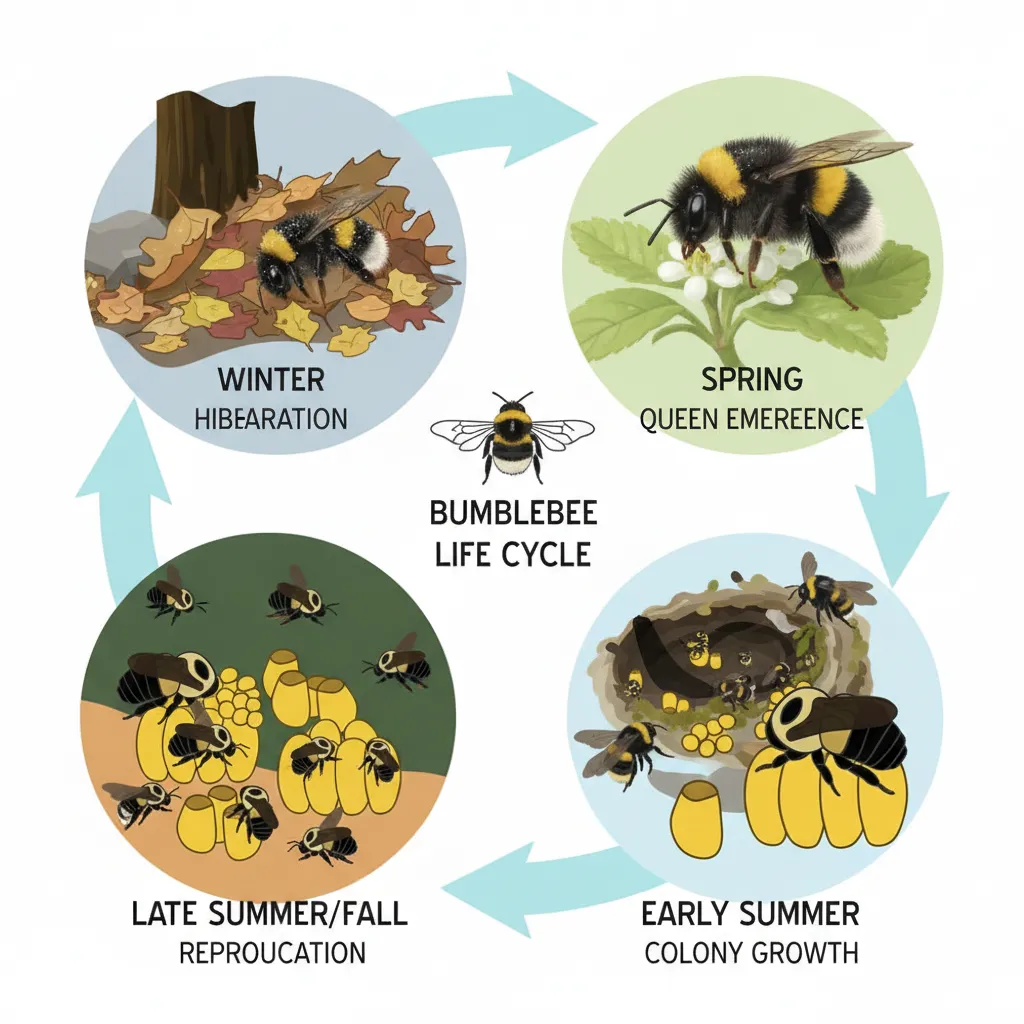
The bumblebee annual cycle begins when overwintered queens emerge from hibernation in early to mid-spring, depending on regional climate. Emergence timing is temperature-dependent, typically occurring when daytime temperatures consistently exceed 50-60°F (10-15°C). Newly active queens have immediate energy needs after months without food, so they first seek nectar sources from early-blooming flowers like willows, crocuses, and fruit tree blossoms. These initial feeding flights help rebuild their energy reserves depleted during winter dormancy.
After regaining strength, queens begin intensive nest-site searching, flying low over the ground and investigating potential locations. This search can last several days to weeks. Once a suitable site is located, the queen begins nest construction, creating a small chamber and fashioning wax cells. She collects pollen, forms it into a mass, and lays her first batch of eggs directly onto this pollen provision. She also constructs a wax honey pot which she fills with nectar, providing an emergency food reserve for periods when weather prevents foraging.
The queen incubates these first eggs by sitting on them and generating heat through muscle vibrations, a process requiring significant energy. She must regularly leave to forage for herself, interrupting incubation. After approximately four days, eggs hatch into larvae which the queen feeds with pollen and nectar. The larval stage lasts roughly two weeks, followed by pupation for another two weeks. During this entire first brood development period, spanning four to five weeks, the queen works alone, making this the colony’s most vulnerable phase.
Summer Growth Phase
When the first worker bumblebees emerge as adults, colony dynamics change dramatically. These initial workers are typically smaller than later ones because the queen produced them with limited resources while working alone. However, once workers begin foraging, the queen can remain in the nest and focus exclusively on egg-laying, significantly increasing colony productivity.
As worker numbers grow, the colony enters an exponential growth phase. More workers mean more foraging capability, which provides more resources for developing additional brood. Colony size varies considerably by species, with some bumblebee species maintaining modest colonies of 50-100 workers while others can reach 400-500 workers at peak. Throughout this growth phase, all bees produced are sterile female workers, maximizing the colony’s resource-gathering capacity.
Workers divide labor based partly on age, with younger workers typically performing nest duties like brood care and comb construction, while older workers transition to the riskier task of foraging. The bumble bee life span for individual workers remains short, but the colony constantly replaces dying workers with newly emerging ones. This continuous turnover maintains colony function while the total population grows. The nest expands, with workers constructing new wax cells to accommodate increasing brood production and food storage.
Late Summer Reproduction
At some point in mid to late summer, triggered by colony size, seasonal cues, or other factors scientists don’t fully understand, the colony switches from producing workers to creating reproductive individuals—new queens and males. This transition represents the colony’s shift from growth to reproduction, prioritizing genetic legacy over continued expansion.
The queen begins laying unfertilized eggs that develop into males and fertilized eggs that receive extra nutrition and develop into new queens rather than workers. These reproductives are typically larger than workers and undergo longer development periods. Males emerge first, followed by new queens. Upon reaching adulthood, both reproductives leave the nest to seek mating opportunities, never returning to their natal colony.
Males establish themselves in areas with flowering plants where virgin queens forage, either defending territories or patrolling specific routes. Virgin queens feed themselves to build energy reserves while also seeking mates. Mating typically occurs on the wing or on vegetation, with queens usually mating only once or a few times, storing sperm for their entire egg-laying career. After mating, males die within days while mated queens continue feeding intensively to accumulate fat reserves crucial for winter survival.
Winter Survival of Queens
As autumn progresses and temperatures drop, the old colony deteriorates. The founding queen, now exhausted from months of continuous egg-laying, dies. Workers also perish as cold weather arrives and food sources disappear. Males have already died following mating. The entire colony—often comprising hundreds of individuals at its peak—dies off completely. Only the newly mated queens survive.
These young queens seek hibernation sites, burrowing into loose soil, finding cavities in banks, or settling into deep leaf litter. They enter diapause, a state of suspended development and dramatically reduced metabolism that allows them to survive months without food. Heart rate, breathing, and other metabolic processes slow to minimal levels. The queen’s accumulated fat reserves sustain her through this period. Mortality during winter is substantial, with many queens succumbing to flooding, predation by small mammals, fungal infections, or simply exhausting their energy reserves before spring. Those that survive emerge the following spring to begin the cycle anew, making them the sole living link between one year’s colony and the next.
Where Bumblebees Live and Nest
Bumble bees nests vary considerably in location and structure, with different species showing distinct preferences that can significantly impact colony success and individual lifespan. Understanding where bumblebees establish their homes provides insight into the environmental factors affecting their survival.
Common Nest Locations
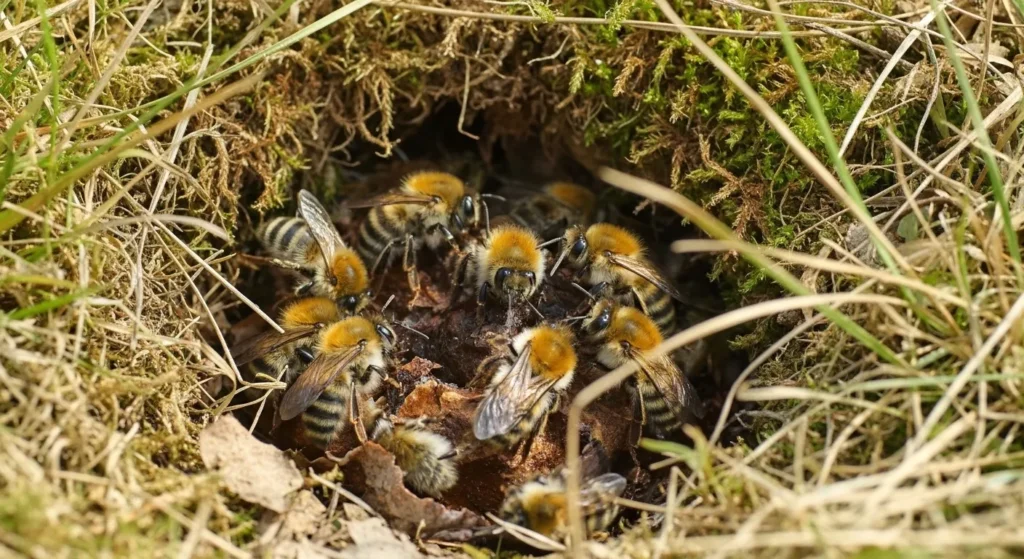
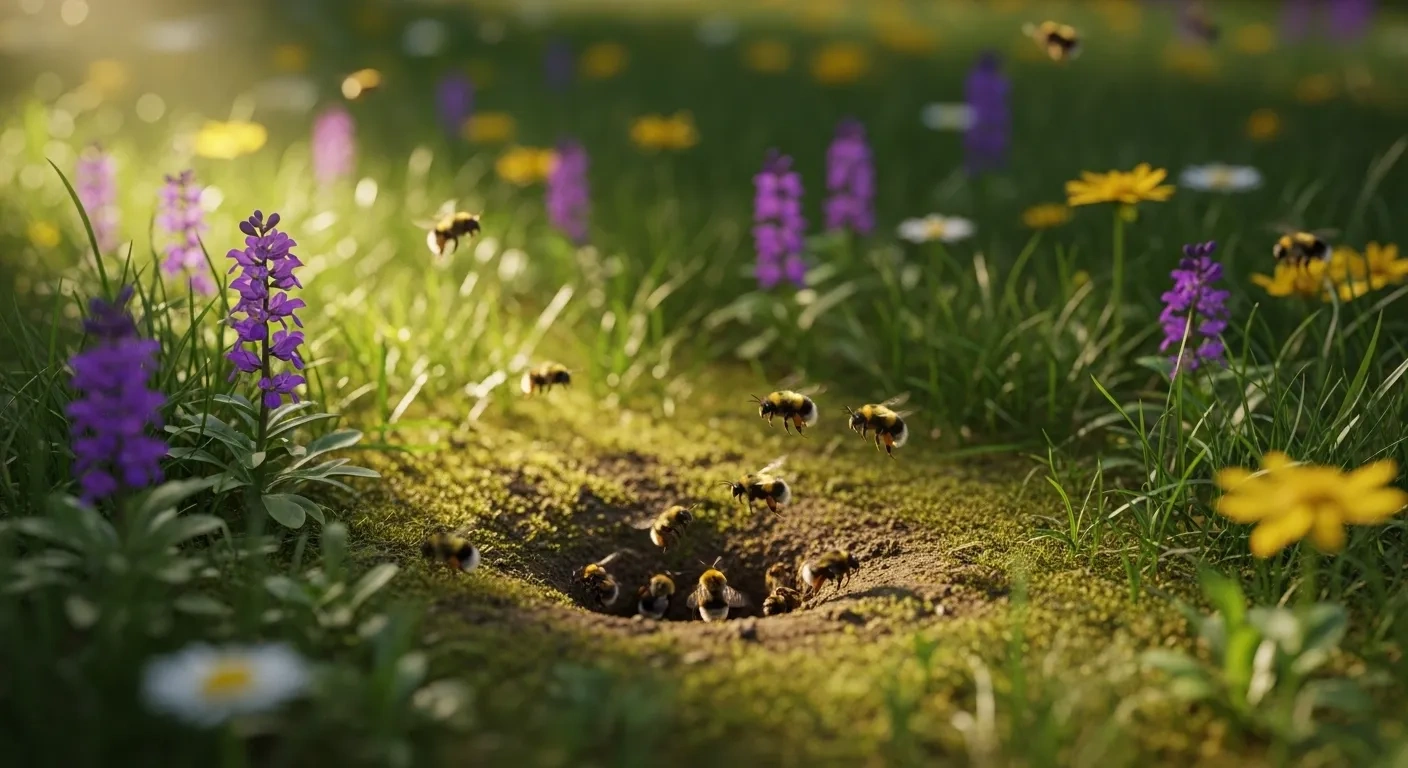
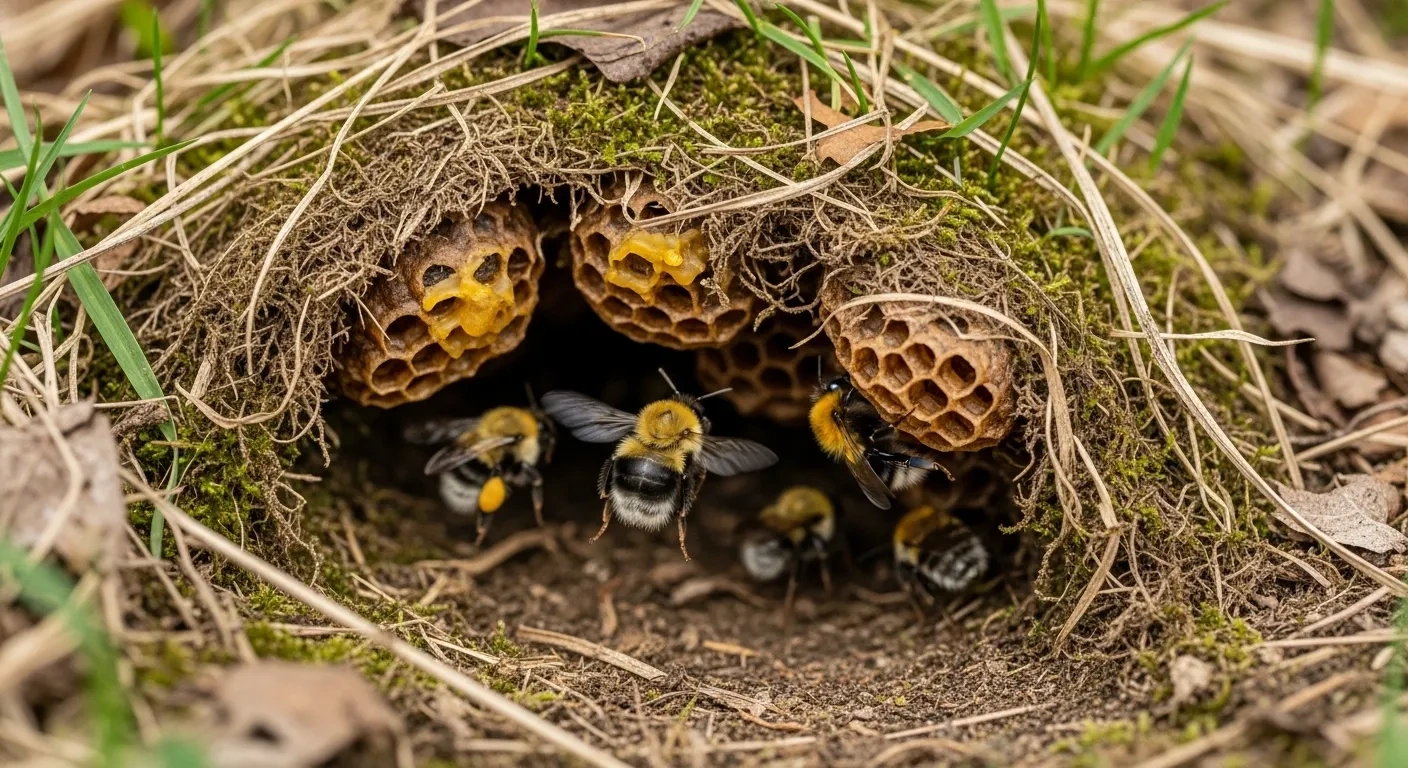
Bumblebees are remarkably opportunistic nesters, utilizing a diverse array of sites depending on species and availability. A substantial number of bumblebee species prefer underground locations, frequently appropriating abandoned rodent burrows. These subterranean nests offer excellent temperature stability and protection from weather extremes. Queens searching for nest sites are often attracted to the residual scent of rodent nesting materials like fur and dried grasses, which they incorporate into their own nest structure.
Above-ground nesting also occurs frequently, particularly among certain species. Common locations include thick grass tussocks, cavities at the base of trees, bird boxes, beneath piles of leaves or garden debris, inside wall cavities of buildings, and even occasionally in abandoned bird nests. Some species show strong preferences for specific nest types—for example, the tree bumblebee readily nests in bird boxes and building cavities well above ground, while other species almost exclusively use underground sites.
The interior structure of bumble bees nests is relatively simple compared to the elaborate architecture of honeybee hives. Bumblebees don’t build precise hexagonal comb; instead, they create somewhat irregular wax cells arranged in a cluster. The nest contains brood cells where larvae develop, along with wax pots for storing small amounts of honey and pollen. Insulation material, often consisting of wax mixed with debris, helps regulate temperature. Nest sizes rarely exceed the volume of a small melon, even in large colonies.
How Nest Conditions Affect Lifespan
The quality and location of bumble bees nests directly influence both individual longevity and colony success rates. Temperature regulation is critical, particularly during spring when the solitary queen must incubate her first brood. Nests in well-insulated locations require less energy expenditure for thermoregulation, allowing queens and workers to allocate more resources to reproduction and longevity rather than simply maintaining viable brood temperatures.
Moisture levels also significantly impact lifespan and colony health. Excessively damp nests promote fungal and bacterial growth, which can devastate developing brood and sicken adult bees. Conversely, nests that become too dry may stress larvae and affect pupation success. Underground nests generally maintain more stable humidity, though they risk flooding during heavy rainfall. Above-ground nests in exposed locations may experience greater temperature and moisture fluctuations.
Nest location affects predation risk, with certain sites more vulnerable to disturbance by badgers, skunks, mice, and other creatures seeking the protein-rich larvae and stored provisions. Queens and workers expend energy defending nests from intruders, and colonies can be completely destroyed by persistent predators. Protected, concealed nests allow bees to focus energy on productive activities rather than defense, potentially extending individual worker lifespan. Additionally, nest proximity to abundant forage reduces flight distances and energy expenditure, which can translate to extended worker longevity since they experience less wing wear and reduced exposure to predation during foraging trips.
Factors That Affect Bumblebee Lifespan
Multiple environmental and biological factors influence how long do bees live in bumblebee populations, with these variables often interacting in complex ways that determine both individual and colony survival rates.
Climate and Weather
Temperature and weather patterns profoundly affect the lifespan of bumblebee individuals and colonies. Spring weather is particularly critical, as late frosts can kill early-emerging queens before they successfully establish nests. Cold, rainy springs reduce foraging opportunities, forcing queens to deplete energy reserves while caring for their first brood alone, potentially leading to queen death or colony failure before workers even emerge.
Summer weather extremes also impact bumblebee survival. Prolonged hot, dry periods reduce flower availability and nectar production, creating food scarcity that can shorten worker lifespans and reduce colony productivity. Conversely, extended periods of cool, wet weather prevent foraging, causing colonies to consume stored provisions and potentially starve. Workers caught in sudden storms may become chilled and die before reaching the nest.
Geographic location and regional climate determine the length of active seasons, affecting how much time colonies have to develop before winter. Bumblebees in northern latitudes or high elevations have compressed growing seasons, requiring faster colony development cycles. This time pressure may result in smaller maximum colony sizes but doesn’t necessarily mean shorter individual lifespans for queens or workers. Climate change is altering these patterns, with earlier springs and later autumns in some regions potentially benefiting some bumblebee species while disrupting the seasonal synchrony others depend on.
Predators and Parasites
Bumblebees face predation throughout their lives from diverse animals. Birds, particularly bee-eaters and shrikes, capture foraging workers in flight. Spiders in webs or hunting on flowers ambush visiting bees. Mammals including badgers, skunks, and mice raid nests for larvae and stored food, often destroying entire colonies. While individual predation events might not dramatically alter overall population lifespan statistics, heavy predation pressure in specific areas can significantly reduce average worker longevity.
Parasites and pathogens present equally serious threats. Conopid flies lay eggs on flying bumblebees, with the larvae developing inside the bee and eventually killing it. Various species of parasitic mites infest nests and feed on developing brood or adult bees, weakening individuals and potentially reducing their lifespan. Microsporidian parasites, particularly Nosema bombi, infect the digestive tracts of bumblebees, impacting nutrition absorption and reducing both queen survival during hibernation and worker longevity during active seasons.
Wax moths sometimes invade bumblebee nests, with their larvae consuming comb and stored provisions while also disturbing brood development. Cuckoo bumblebees represent a specialized parasitic threat—these bees don’t establish their own colonies but instead invade those of other bumblebee species, killing or subjugating the resident queen and exploiting workers to raise cuckoo brood. While this doesn’t directly affect individual worker lifespan, it effectively terminates the colony’s reproductive success.
Pesticides and Habitat Loss
Human activities increasingly influence bumblebee longevity, with pesticide exposure representing one of the most serious modern threats. Neonicotinoid insecticides, widely used in agriculture, don’t necessarily kill bumblebees immediately but cause sublethal effects that reduce lifespan. Exposed workers show impaired navigation, reduced foraging efficiency, and weakened immune systems, all contributing to earlier mortality. Queens exposed to neonicotinoids before hibernation show reduced winter survival rates and decreased colony establishment success in spring.
Other pesticides including organophosphates and pyrethroids also impact bumblebee health and longevity. Even herbicides, while not directly toxic to bees, eliminate the flowering plants bumblebees depend on for nutrition. Fungicides, often considered bee-safe, can interact with other chemicals to increase toxicity or impact the beneficial gut microbiomes bees need for proper nutrition and immunity.
Habitat loss and fragmentation reduce the lifespan of bumblebee populations by eliminating nest sites and floral resources. Modern agricultural intensification has removed hedgerows, field margins, and diverse wildflower meadows, replacing them with monoculture crops that provide brief, intense floral resources followed by barren periods. This boom-bust food availability pattern stresses colonies and may reduce individual longevity. Urban development eliminates nesting habitat and creates “food deserts” lacking diverse flowers. Climate-controlled gardens with non-native ornamentals may offer some resources but typically provide less nutritional diversity than native plant communities. Habitat fragmentation isolates populations, potentially increasing inbreeding and reducing genetic fitness, which can manifest as decreased disease resistance and shortened lifespans.
Food Availability
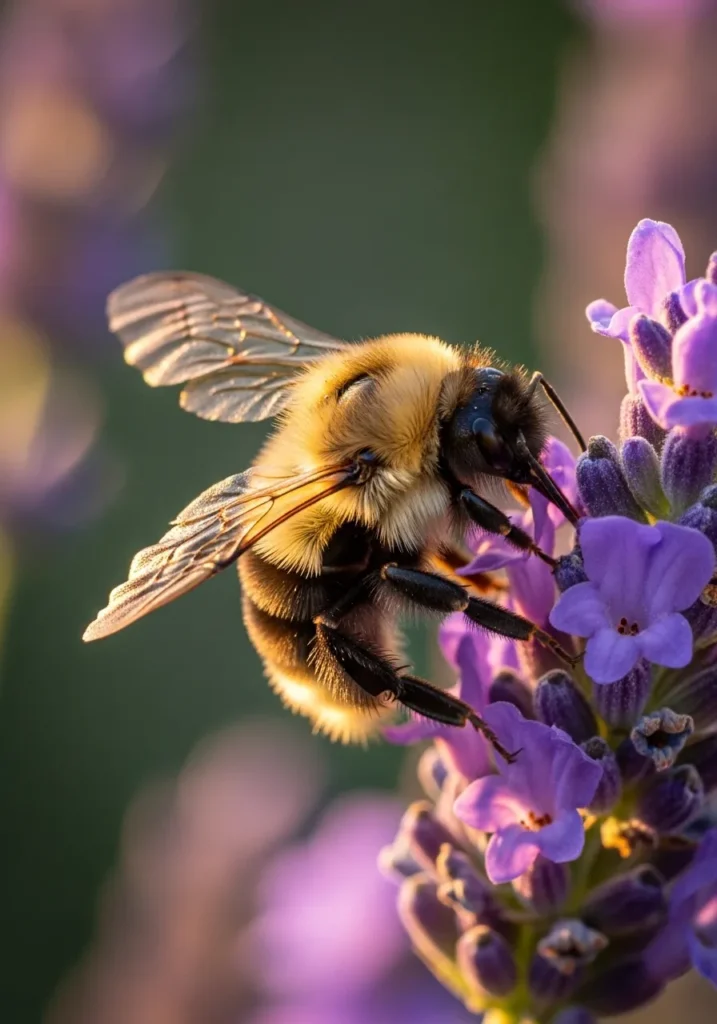
Nutrition fundamentally determines bumblebee longevity at both individual and colony levels. Worker bees require consistent access to both nectar for energy and pollen for protein to maximize their already brief lifespans. Workers unable to obtain sufficient nutrition age more rapidly and die sooner. Foraging in resource-poor environments forces workers to travel greater distances, accelerating wing wear and energy depletion.
Pollen quality matters as much as quantity. Different plant species produce pollen with varying nutritional profiles, and bees require diverse pollen sources to obtain complete nutrition. Diets lacking certain amino acids or lipids can shorten lifespan and reduce disease resistance. Queens preparing for hibernation particularly need high-quality nutrition to accumulate the fat reserves necessary for winter survival—inadequate autumn forage directly translates to reduced overwintering success.
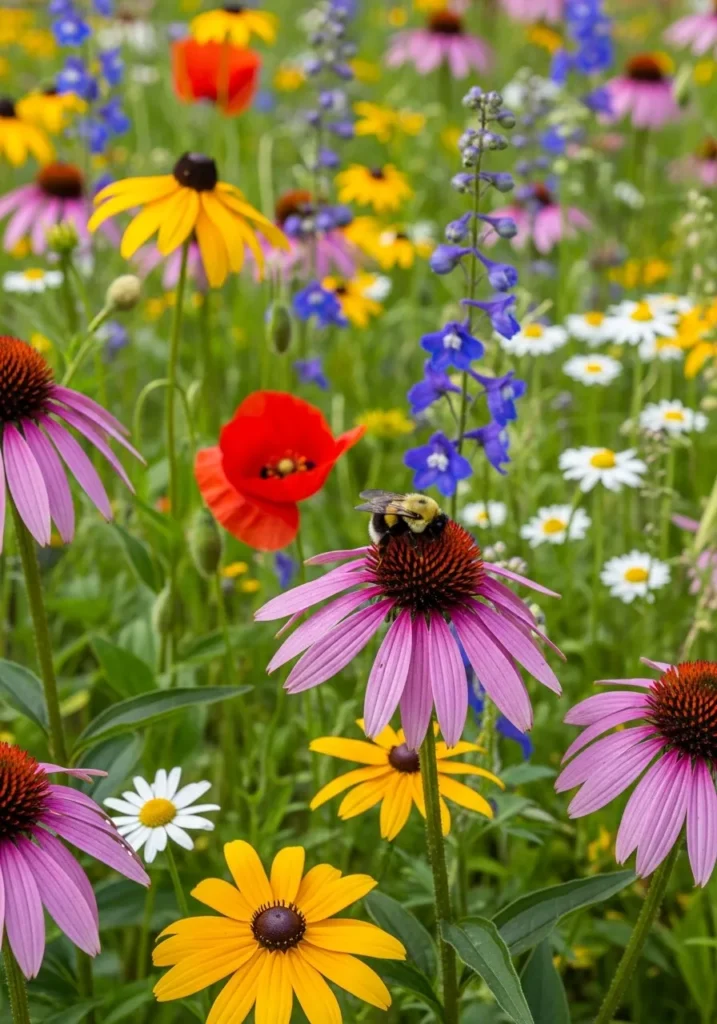
Temporal availability of flowers throughout the season affects colony success and individual longevity. Early spring flowers are crucial for newly emerged queens, while continuous bloom from spring through autumn supports colony development and prepares new queens for winter. Gaps in flower availability during critical periods can cause colony stress, potentially reducing both worker and queen survival rates. Conservation efforts increasingly recognize that supporting bumblebee populations requires maintaining diverse, season-long floral resources rather than just planting a few bee-friendly species. All these pressures combine to shape how long do bumble bees live in real ecosystems.
Do Bumblebees Survive Winter?
The question of whether bumblebees survive winter has a nuanced answer that depends on caste. The vast majority of bumblebees—all workers, males, and old queens—die when cold weather arrives and do not survive winter. In temperate climates, the entire active colony perishes in autumn, leaving no surviving population through winter months.
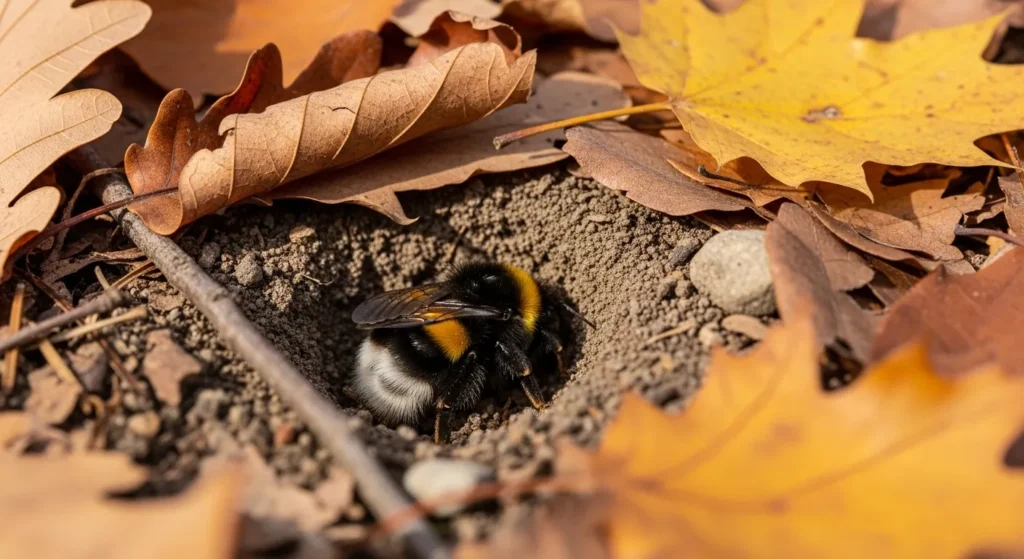
However, newly emerged and mated young queens do survive winter through hibernation. These queens enter diapause before the first hard frosts, burrowing into protected locations where they remain dormant throughout winter. Their survival is far from guaranteed, with mortality rates during hibernation often exceeding fifty percent. Successful overwintering requires adequate fat reserves accumulated through autumn feeding, a suitable hibernation site protected from flooding and extreme temperature fluctuations, and avoidance of predators and pathogens.
In tropical and subtropical regions, some bumblebee species maintain perennial colonies with no winter diapause period, though these represent a minority of bumblebee species globally. Most bumblebees in temperate zones depend entirely on the survival of hibernating queens to perpetuate their species each year, making winter queen survival critical to bumblebee conservation.
How Bumblebee Lifespan Compares to Other Bees
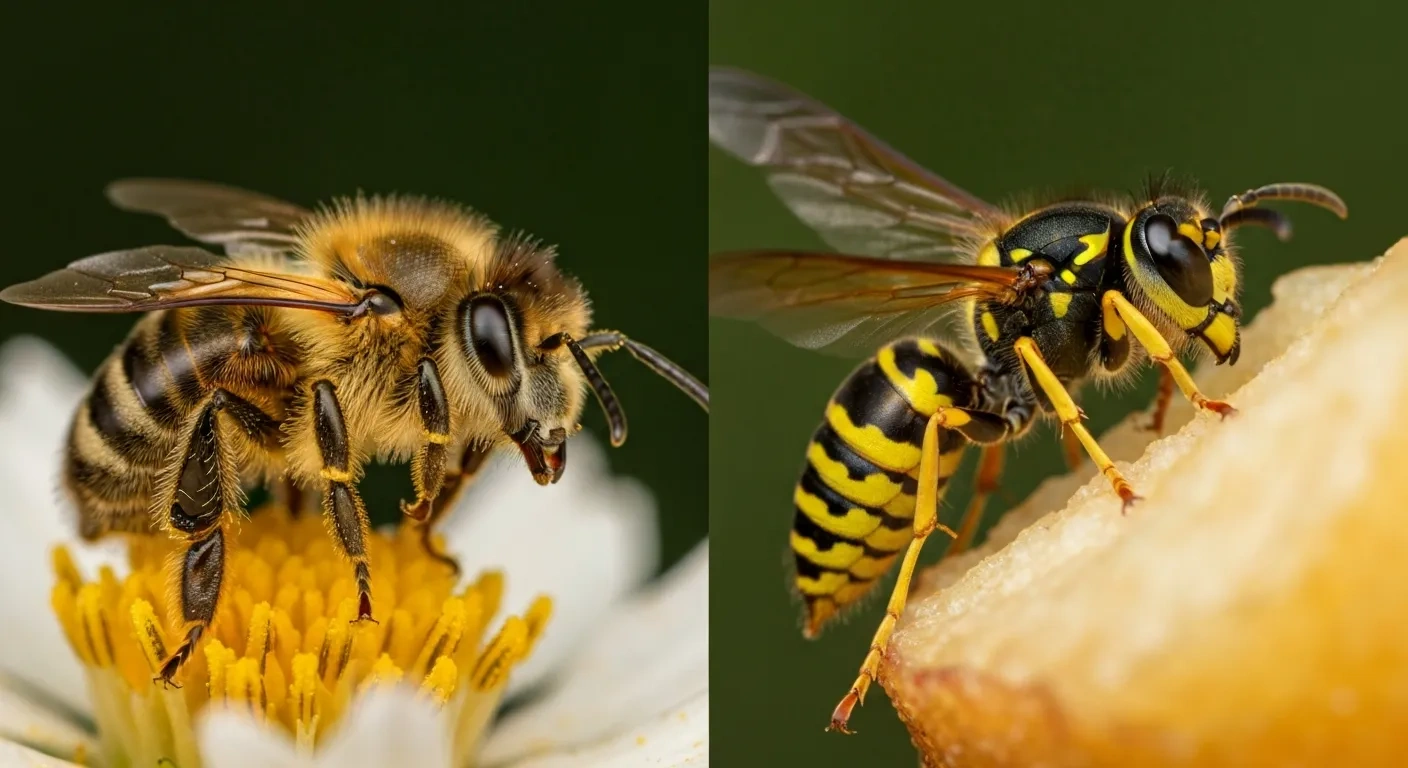
When comparing how long do bees live across different bee types, bumblebees occupy a middle ground. Honeybee workers in summer live similar lifespans to bumblebee workers, typically four to six weeks, while winter honeybee workers can survive several months due to reduced activity and cluster thermoregulation. Honeybee queens, however, vastly outlive bumblebee queens, potentially surviving two to five years in managed hives.
Solitary bees show tremendous variation in lifespan. Many solitary bee species live as adults for only a few weeks during their active season, similar to bumblebee workers. However, species that overwinter as adults rather than in pupal or larval stages may persist for ten months or more, spending most of that time in hibernation. Mason bees and leafcutter bees typically emerge, mate, provision nests, and die within four to eight weeks.
The key distinction is that honeybees and some other social species maintain perennial colonies, while bumblebee colonies are annual in temperate regions. This fundamental difference in colony longevity affects how we understand individual lifespan—a short-lived honeybee worker contributes to a colony that persists for years, while a similarly short-lived bumblebee worker serves a colony that exists for only one season.
Frequently Asked Questions
Do bumblebees die after stinging?
No, bumblebees do not die after stinging. Unlike honeybees, which have barbed stingers that tear from their bodies when embedded in skin, bumblebees possess smooth stingers that can be withdrawn and used repeatedly. A bumblebee can sting multiple times without injury to itself and will survive the defensive encounter, making them potentially more dangerous than honeybees in situations where they feel threatened or are defending their nest.
How long does a queen bumblebee live?
Queen bumblebees live approximately one year from emergence to death. They emerge as new adults in late summer, mate, survive winter hibernation for six to eight months, emerge in spring to establish colonies, and then die in late summer or early autumn after producing the next generation of reproductives. The most remarkable aspect of queen longevity is their ability to survive months of winter dormancy without food or water.
Why do worker bumblebees live only weeks?
Worker bumblebees live brief lives of just two to six weeks because their intensive labor literally wears them out. Constant foraging flights cause wing damage, their muscles deteriorate from relentless activity, and their exposure to environmental hazards, predators, and pathogens during foraging accelerates mortality. Additionally, workers are essentially evolutionary dead-ends unable to reproduce, so natural selection favors maximizing their productivity rather than extending their individual survival beyond the period of useful service to the colony.
Do bumblebees survive winter?
Only newly mated queen bumblebees survive winter through hibernation. All other colony members including workers, males, and the old founding queen die in autumn. The young queens enter diapause and hibernate underground in protected locations, surviving without food for months on stored fat reserves. Many queens die during hibernation, but those that successfully overwinter emerge in spring to establish new colonies.
What affects bumblebee lifespan the most?
Multiple factors affect bumblebee lifespan significantly, but caste is the primary determinant—queens can live nearly a year while workers survive only weeks. Beyond caste, food availability throughout the season, pesticide exposure, climate extremes, and predation/parasitism represent the most impactful factors. For queens specifically, hibernation survival determines population success, making autumn nutrition and winter conditions critically important to the overall life cycle.
Conclusion
Understanding how long do bumble bees live reveals the remarkable temporal diversity within these critical pollinators, from queens surviving nearly twelve months to workers living mere weeks. The lifespan of bumblebee individuals varies dramatically by caste and environmental conditions, but all bumblebees share a compressed existence dictated by their annual colony cycle. Appreciating the life cycle of a bumblebee helps contextualize conservation needs—protecting hibernating queens, maintaining season-long floral resources, and reducing pesticide impacts all directly influence bumble bee life span and population health. As vital pollinators facing increasing environmental pressures, ensuring bumblebees can complete their brief but essential lives remains crucial for ecosystem health and agricultural productivity.