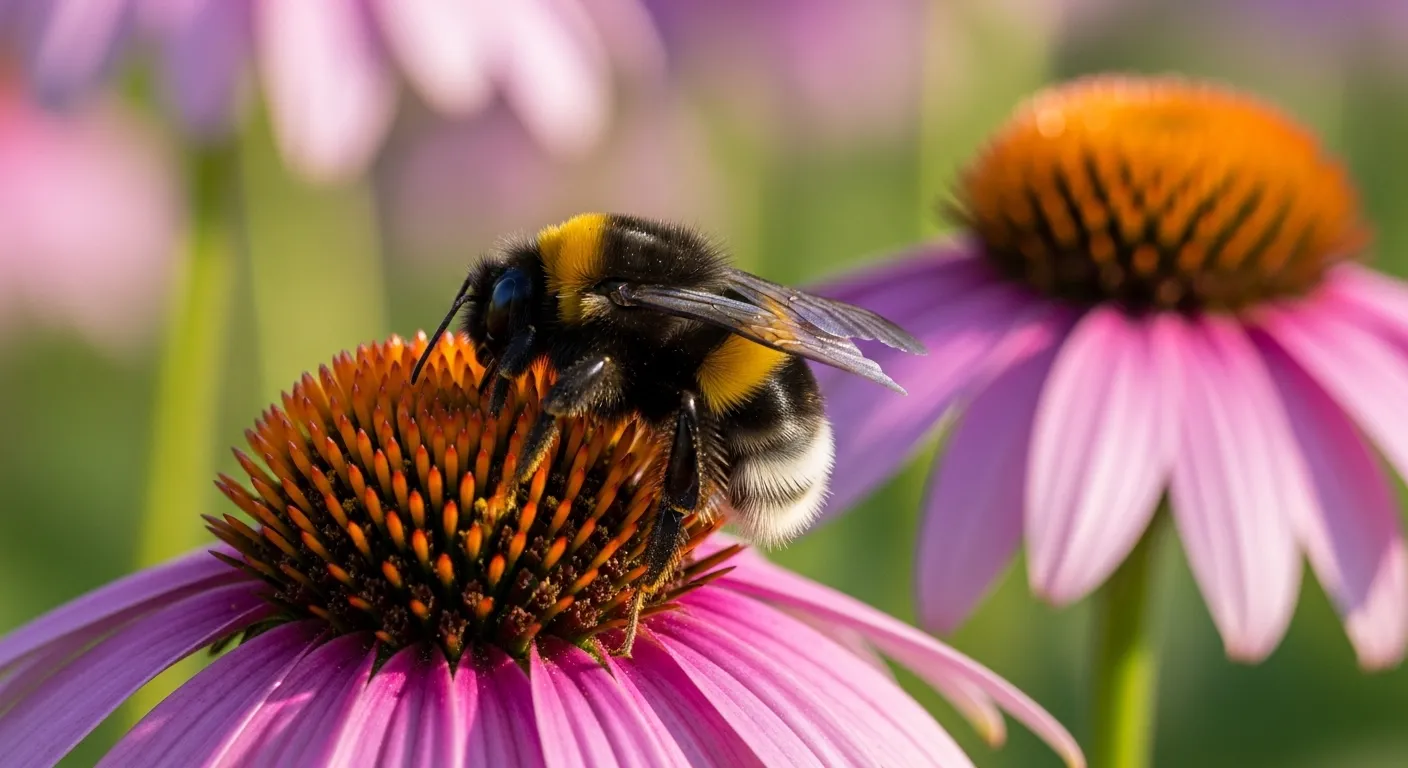
As I watched a bumblebee flit from flower to flower in my garden, I couldn’t help but wonder: do bumblebees make honey like their honeybee counterparts?
Bumblebees are often seen as the unsung heroes of the pollinator world, and their role in producing honey is a topic of much curiosity. While they are not typically known for their honey production, bumblebees do collect nectar and pollen, just like honeybees.
The question remains, though: do they actually produce honey? In this article, we’ll explore the fascinating world of bumblebees and uncover the truth behind their honey-making abilities.
Table of Contents
The Fascinating World of Bumblebees
The world of bumblebees is captivating, filled with diverse species and intriguing behaviors. As we explore their physical characteristics and distribution, we gain a deeper appreciation for these vital pollinators.
Physical Characteristics of Bumblebees
Distinctive Features and Appearance
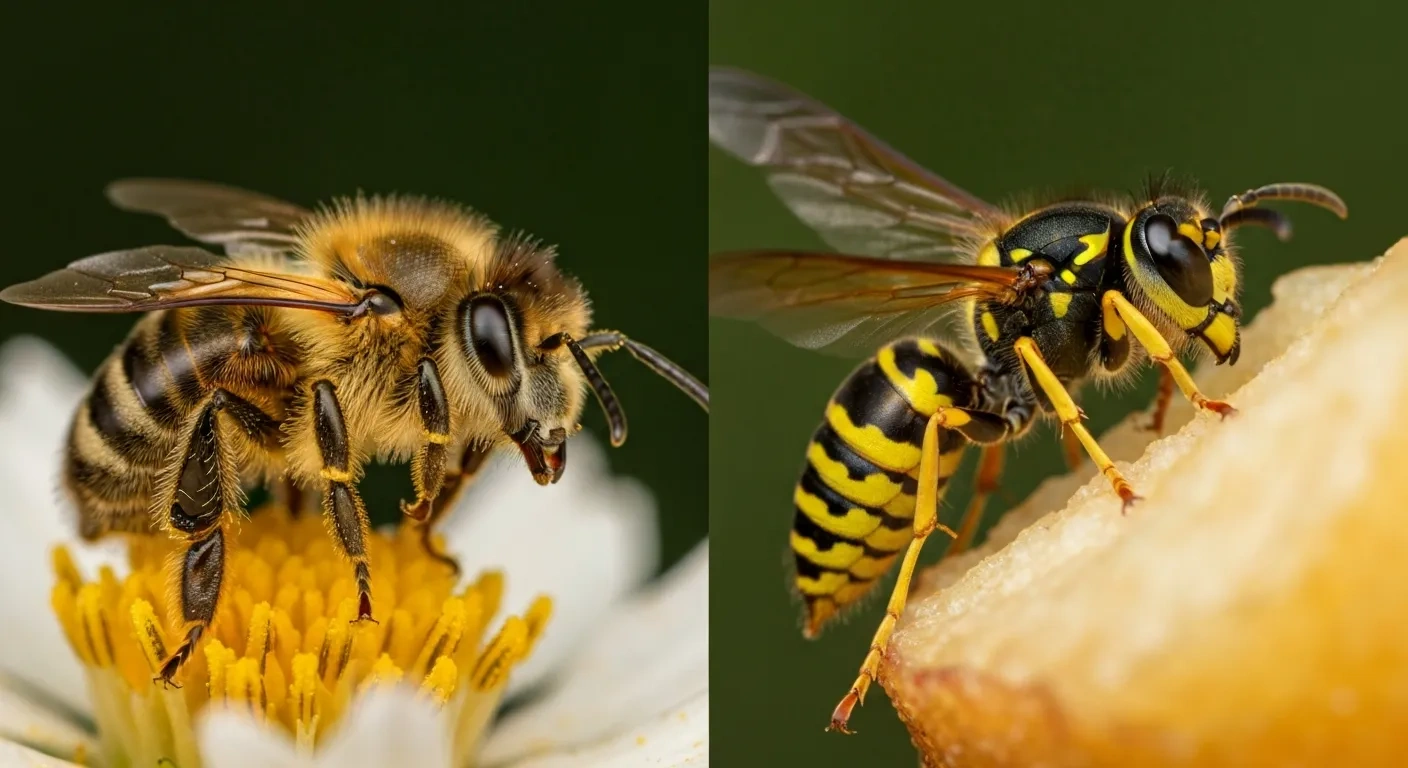
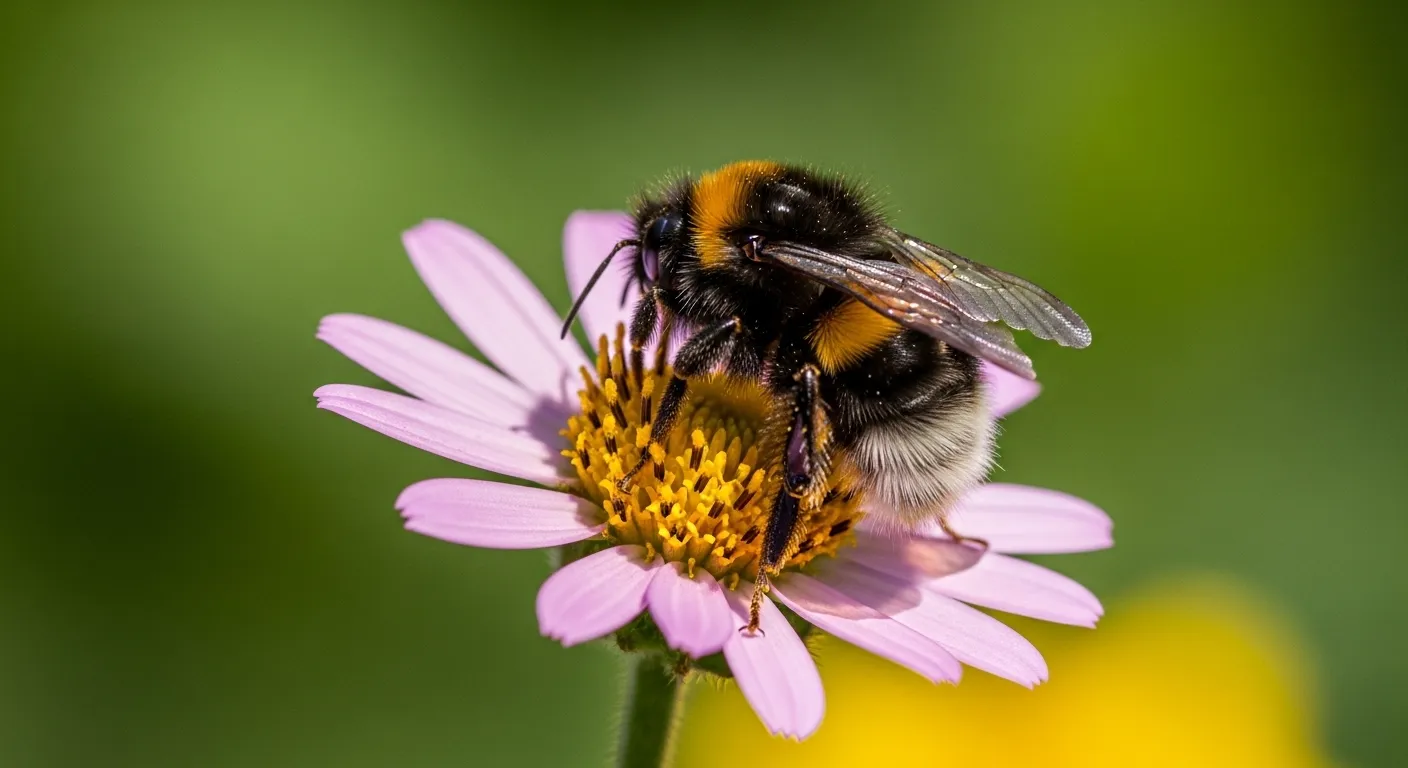
Bumblebees are known for their distinctive appearance, characterized by fuzzy bodies and bright colors. Their hairy coats help them collect pollen, making them efficient pollinators. The colors can vary significantly between species, ranging from yellow and black to orange and red.
Size and Body Structure
Bumblebees vary in size, with some species being larger than others. Generally, they have a robust body structure with a round abdomen, which distinguishes them from other bees. Their size and structure enable them to fly in various weather conditions, making them valuable pollinators in different climates.
Bumblebee Species and Distribution
Common North American Species
North America is home to numerous bumblebee species, such as the Common Eastern Bumblebee and the White-tailed Bumblebee. These species are crucial for pollinating crops and wildflowers, contributing significantly to the region’s ecosystem.
Global Diversity and Habitats
Bumblebees are found across the globe, inhabiting diverse habitats from meadows to forests. Their ability to adapt to different environments has allowed them to thrive in various parts of the world, playing a vital role in pollination worldwide.
Do Bumblebees Make Honey?
Contrary to popular belief, bumblebees do make honey, albeit in a different manner than honeybees. This fact often surprises many, as the association between honey production and bees typically conjures images of honeybees rather than bumblebees.
The Simple Answer: Yes, But Differently
Bumblebees produce honey, but their honey-making process is not as efficient or extensive as that of honeybees. The honey they produce is primarily for feeding their colonies, especially during periods when flowers are scarce. Unlike honeybees, bumblebees do not store honey in large quantities because their colonies are generally smaller and have a different lifecycle.
The honey produced by bumblebees is crucial for their survival, particularly during the winter months when foraging is not possible. However, the quantity and quality of bumblebee honey differ significantly from what is commonly associated with honeybee honey.
Purpose of Honey Production in Bumblebee Colonies
The primary purpose of honey production in bumblebee colonies is to sustain the colony during adverse conditions. Bumblebees collect nectar and convert it into honey, which is then stored within their nests. This stored honey serves as a vital food source during periods of bad weather or when there’s a scarcity of flowers.
| Aspect | Bumblebees | Honeybees |
|---|---|---|
| Colony Size | Generally smaller | Larger colonies |
| Honey Production | Less extensive | More extensive |
| Purpose of Honey | Colony survival during scarcity | Survival and surplus for harvest |
As noted by entomologists,
“Bumblebees are important pollinators, and their honey production, while different from honeybees, plays a crucial role in their colony’s survival.”
The Bumblebee Honey Production Process
Bumblebees are not just important pollinators, but they also produce honey through a detailed and highly organized process. This process is crucial for the survival of their colonies, especially during times when flowers are scarce.
Nectar Collection by Bumblebees
Nectar collection is the first step in honey production, and bumblebees are highly efficient at this task. They visit a variety of flowers in search of nectar, using their long, tube-shaped tongues to extract the sweet liquid.
Flower Selection and Preferences
Bumblebees are known to be generalist foragers, meaning they visit a wide range of flower species. Their flower selection is influenced by factors such as nectar availability, flower shape, and color. This adaptability ensures a constant nectar supply for the colony.
Tongue Structure and Nectar Extraction
The structure of a bumblebee’s tongue, or proboscis, is perfectly adapted for nectar extraction. Their tongues are long and flexible, allowing them to reach nectar deep within flowers that other bees might not access. This unique adaptation makes them efficient nectar collectors.
From Nectar to Honey: The Transformation
Once nectar is collected, it undergoes a transformation to become honey. This process involves enzymatic changes and storage within the nest.
Enzymatic Changes
Bumblebees mix the collected nectar with enzymes that break down its complex sugars into simpler ones. This enzymatic action is crucial for creating honey that is easily digestible by the bees and has a longer shelf life.
Storage Methods in the Nest
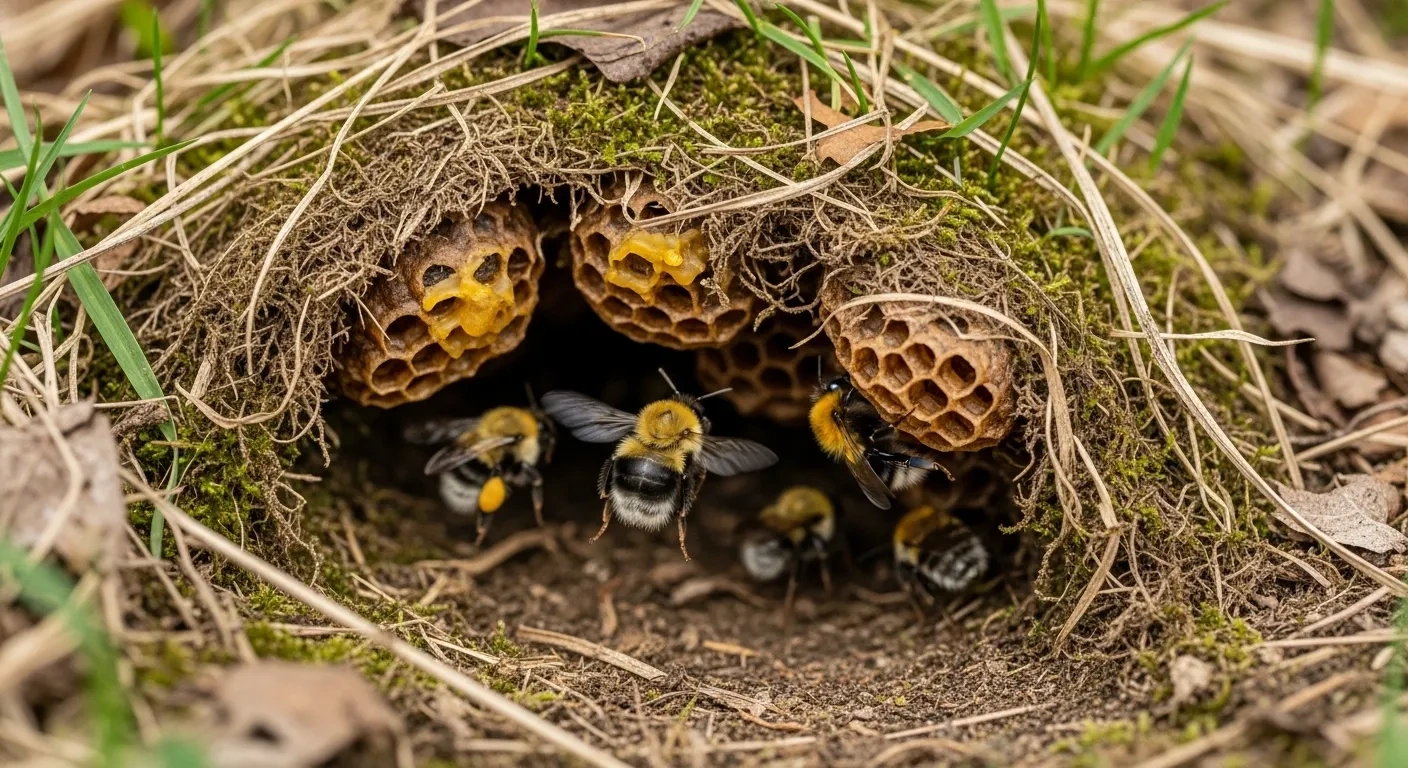
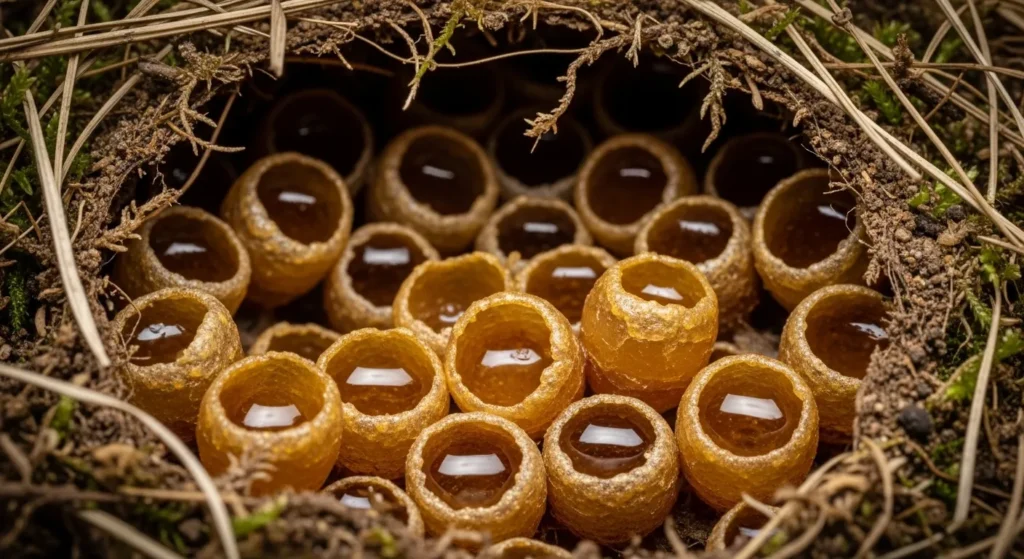
The nectar, now transformed into honey, is stored in wax pots within the bumblebee nest. These pots are made from wax produced by the bees themselves and are used to store both honey and pollen. The honey is used as a food source during periods when foraging is not possible.
Bumblebee Colonies and Their Honey Needs
Understanding the intricacies of bumblebee colonies is crucial to grasping their honey production capabilities. Bumblebee colonies are complex societies with a distinct social hierarchy that influences their honey production process.
Colony Structure and Lifecycle
The colony structure of bumblebees is characterized by a division of labor among different castes. This social organization is key to their survival and honey production.
Queen, Workers, and Drones
The queen bumblebee is the largest individual in the colony and is responsible for laying eggs. Workers, which are female bumblebees, perform a variety of tasks including foraging, caring for young, and defending the colony. Drones are male bumblebees whose primary role is to mate with the queen.
Annual Colony Cycle
Bumblebee colonies typically follow an annual cycle. In the spring, new queens emerge from hibernation and establish new colonies. The colony grows throughout the summer, reaching its peak in late summer before declining in the fall.
Winter Survival Strategy
Bumblebees have a unique strategy for surviving the winter months. The queen is the only member of the colony to survive the winter.
Queen Hibernation
The queen bumblebee hibernates during the winter, hiding in protected areas such as underground burrows or hollow logs. During this time, her metabolism slows down, allowing her to conserve energy.
Energy Requirements
The energy requirements for bumblebee colonies are significant, particularly during the active season. Honey production plays a crucial role in meeting these energy needs.
| Colony Member | Role | Seasonal Activity |
|---|---|---|
| Queen | Laying eggs | Spring to Fall |
| Workers | Foraging, caring for young, defending colony | Spring to Fall |
| Drones | Mating with queen | Summer |
Honeybees vs. Bumblebees: Comparing Honey Production
While both honeybees and bumblebees produce honey, their production processes and outcomes are quite different. Understanding these differences can provide insights into the unique characteristics of each bee species and their honey.
Quantity Differences
The quantity of honey produced by honeybees and bumblebees varies significantly. Honeybees are renowned for their large-scale honey production, storing it in honeycombs within their hives.
Storage Capacity Variations
Honeybees have a more complex social structure that allows for larger honeycombs and, consequently, more honey storage. Bumblebees, on the other hand, have smaller colonies and less complex nests, resulting in limited honey storage capacity.
Production Volume Comparison
A typical honeybee colony can produce 60-100 pounds of honey per year, whereas bumblebee colonies produce a negligible amount, often just enough for their colony’s needs. This stark contrast highlights the different priorities of the two species.
Quality and Composition Variations
The quality and composition of honey produced by honeybees and bumblebees also differ. Honeybee honey is known for its diverse floral sources and complex flavor profiles, while bumblebee honey, though less documented, is believed to have a distinct character due to the different nectar sources and processing methods.
Chemical Composition Differences
The chemical composition of honeybee honey includes a variety of enzymes, acids, and sugars. Bumblebee honey, while similar in some respects, may have different proportions of these components due to variations in nectar processing and storage.
Taste and Consistency Variations
Honeybee honey can range from light and floral to dark and robust, depending on the nectar sources. Bumblebee honey, being less common, is not as well-characterized but is thought to have a unique taste and consistency. Some beekeepers describe it as thicker and more robust than honeybee honey.
In conclusion, the comparison between honeybees and bumblebees in terms of honey production reveals significant differences in both quantity and quality. These variations are rooted in the different social structures, behaviors, and ecological roles of the two bee species.
Bumblebee Foraging Behavior
Bumblebees exhibit fascinating foraging behaviors that are essential for their survival and the ecosystem’s balance. Their ability to adapt to different conditions and efficiently gather nectar and pollen is crucial for their colonies and the pollination of various plants.
Foraging Patterns and Preferences
Bumblebees display unique foraging patterns and preferences that are influenced by the availability of flowers, the quality of nectar, and the needs of their colony.
Daily Activity Cycles
Bumblebees typically follow a daily activity cycle, with peak foraging times usually occurring during the warmer parts of the day. They adjust their activity based on temperature and sunlight.
Flower Constancy and Learning
Bumblebees are known for their flower constancy, where they tend to visit the same type of flower repeatedly. This behavior is linked to their ability to learn and remember the characteristics of different flowers, allowing them to optimize their foraging efficiency.
Weather Adaptation and Resilience
Bumblebees have remarkable adaptations that enable them to forage under various weather conditions, showcasing their resilience.
Cold Weather Foraging
In colder temperatures, bumblebees can still forage by generating heat within their bodies, allowing them to access flowers that other bees might avoid.
Rain and Wind Adaptations
During rain or windy conditions, bumblebees adjust their foraging behavior, often reducing their activity or choosing to forage during brief periods of calm. Their ability to navigate through challenging weather conditions is a testament to their adaptability.
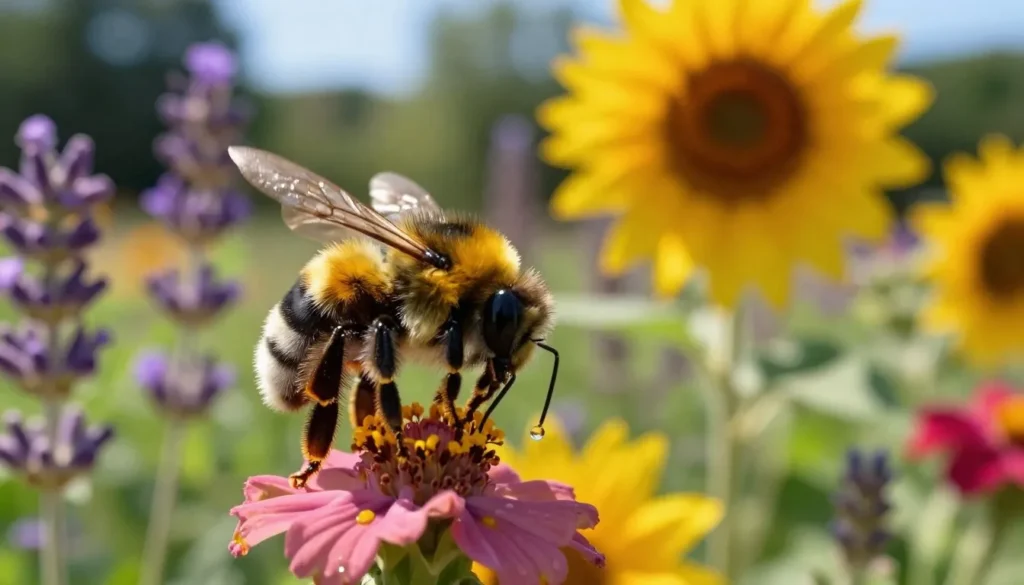
In summary, bumblebees’ foraging behavior is a complex and highly adaptive process that is vital for their survival and the health of ecosystems. By understanding their foraging patterns, preferences, and adaptations, we can better appreciate these important pollinators.
The Ecological Significance of Bumblebees
The ecological significance of bumblebees cannot be overstated, as they are vital pollinators in various ecosystems. Their role in pollinating plants is crucial for maintaining biodiversity and ensuring the health of ecosystems.
Pollination Experts
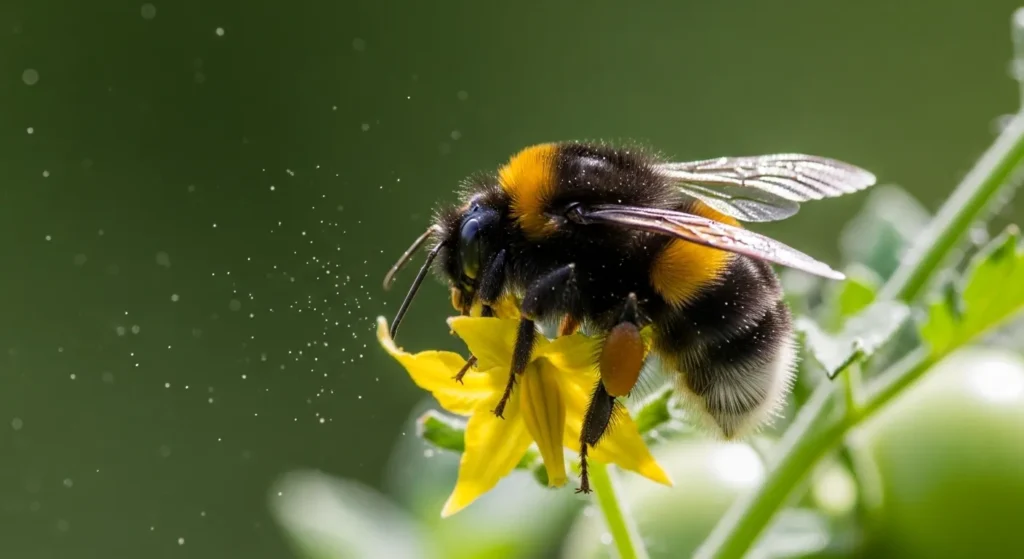
Bumblebees are renowned for their efficiency as pollinators. They possess a unique technique known as “buzz pollination,” which allows them to effectively pollinate plants that other bees cannot.
Buzz Pollination Technique
The buzz pollination technique involves the bumblebee vibrating its body at a specific frequency, which dislodges pollen from the plant’s anthers. This method is particularly effective for plants such as tomatoes and blueberries.
Wild Plant Dependencies
Many wild plants are dependent on bumblebees for pollination. Without these bees, the reproduction of these plants would be severely impacted, leading to a decline in biodiversity.
Impact on Agricultural Systems
Bumblebees also play a significant role in agricultural systems. Their pollination activities contribute to improved crop yields and have substantial economic benefits.
Crop Yield Improvements
Studies have shown that the presence of bumblebees in agricultural fields can lead to significant increases in crop yields. This is particularly true for crops such as cucumbers and squash.
Economic Value of Bumblebee Pollination
The economic value of bumblebee pollination is substantial. It is estimated that bumblebees contribute millions of dollars to the agricultural economy each year through their pollination services.
| Crop | Yield Increase with Bumblebee Pollination | Economic Value |
|---|---|---|
| Tomatoes | 20% | $100 million |
| Blueberries | 30% | $50 million |
| Cucumbers | 25% | $75 million |
Can Humans Harvest Bumblebee Honey?
While bumblebees do produce honey, the question remains if it’s feasible for humans to harvest it. Bumblebee honey production is a unique process that differs significantly from that of honeybees.
Practical Limitations
There are several practical limitations to harvesting bumblebee honey. Two significant challenges are the small production quantities and the colony structure.
Small Production Quantities
Bumblebee colonies produce much less honey than honeybee colonies. This is because bumblebees are primarily focused on pollination rather than honey production.
Colony Structure Challenges
The social structure of bumblebee colonies makes it difficult to access their honey stores. Unlike honeybees, bumblebees do not build large, accessible honeycombs.
Ethical Considerations
Besides practical limitations, there are also ethical considerations to take into account when discussing bumblebee honey harvesting.
Conservation Concerns
Bumblebees are facing numerous threats, including habitat loss and climate change. Harvesting their honey could further stress these populations.
Alternative Honey Sources
Given the challenges and ethical concerns, it’s worth considering alternative honey sources. Honeybees are more suited for honey production, and their honey is widely available.
In conclusion, while bumblebees do produce honey, harvesting it is not a straightforward process due to practical limitations and ethical considerations.
Threats to Bumblebee Populations
The bumblebee population is under threat from multiple angles, including habitat loss and climate change. These threats not only affect their numbers but also their ability to produce honey, a crucial aspect of their colony’s survival.
Habitat Loss and Climate Change
Habitat loss and climate change are intertwined factors that significantly impact bumblebee populations. As natural habitats are destroyed or altered, bumblebees lose their sources of food and shelter.
Changing Flowering Patterns
Climate change alters the timing of flowering plants, which can disrupt the synchronization between bumblebees and the flowers they rely on for nectar. This mismatch can lead to nutritional deficiencies and reduced honey production.
Nesting Site Reduction
The destruction of natural habitats reduces the availability of suitable nesting sites for bumblebees. This reduction in nesting opportunities can lead to a decline in colony numbers and overall population.
Pesticides and Disease
In addition to habitat loss and climate change, bumblebees are also threatened by pesticides and diseases. These factors can further weaken bumblebee colonies and impair their honey production capabilities.
Neonicotinoid Effects
Neonicotinoids, a class of pesticides, have been shown to have detrimental effects on bumblebees. They can impair navigation, reduce colony growth, and increase mortality rates.
Parasites and Pathogens
Bumblebees are also vulnerable to various parasites and pathogens. These can spread diseases within colonies, further threatening their survival and honey production.
In conclusion, bumblebee populations face a multitude of threats that impact their honey production and overall survival. Addressing these challenges is crucial for conserving these vital pollinators.
How to Support Bumblebees in Your Garden
Bumblebees are vital pollinators, and supporting them in your garden can have a significant impact. By making a few simple changes, you can create a welcoming environment for these important insects.
Bee-Friendly Plants for Year-Round Forage
Planting a variety of flowers that bloom at different times can provide bumblebees with a constant source of nectar and pollen. This is crucial for their survival, as it ensures they have enough food throughout the growing season.
Spring and Summer Blooms
In the spring and summer, bumblebees are attracted to flowers like sunflowers, zinnias, and coneflowers. These plants are rich in nectar and pollen, making them ideal for bumblebees.
Fall Nectar Sources
In the fall, plants like asters and goldenrod provide essential nectar sources for bumblebees as they prepare for the winter. Incorporating these plants into your garden can help support local bumblebee populations.
Creating Nesting Habitats
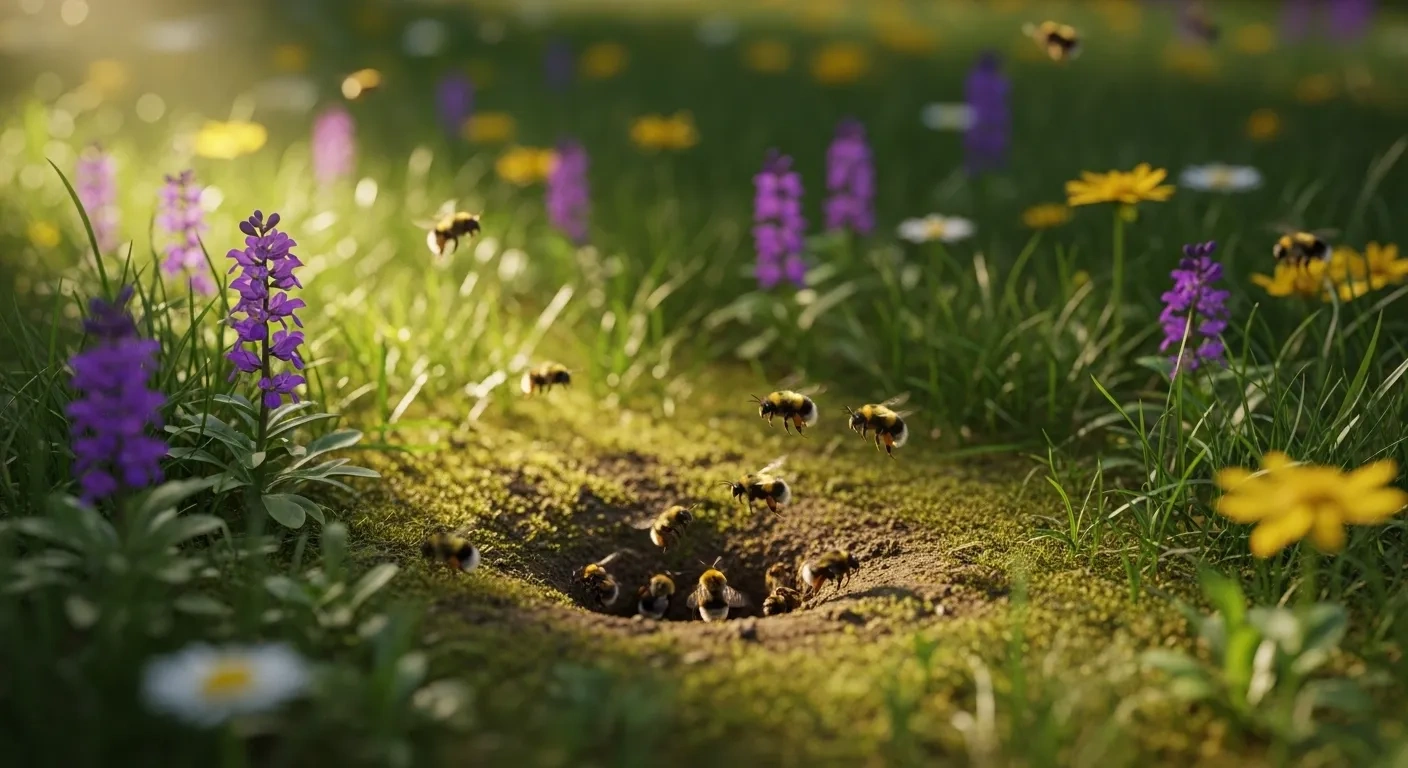
In addition to providing food, creating nesting habitats is crucial for supporting bumblebees. Many species of bumblebees nest in the ground or in abandoned rodent burrows.
Natural Nesting Sites
To create natural nesting sites, consider leaving some areas of your garden untidy, with leaves and twigs that can provide shelter for bumblebees. You can also create a brush pile by collecting branches and leaves.
Artificial Nest Boxes
Alternatively, you can use artificial nest boxes specifically designed for bumblebees. These boxes provide a safe and cozy space for bumblebees to nest and lay their eggs.
| Plant Type | Bloom Period | Benefits for Bumblebees |
|---|---|---|
| Sunflowers | Summer | Rich in nectar and pollen |
| Asters | Fall | Provides late-season nectar |
| Coneflowers | Summer | Attracts bumblebees with abundant pollen |
By implementing these strategies, you can make a positive impact on local bumblebee populations and contribute to their conservation.
Conclusion
So, do bumblebees make honey? Yes—bumblebees do make honey, but their production process and purpose differ significantly from those of honeybees. Throughout this article, we’ve explored the fascinating world of bumblebees, their physical characteristics, and their essential role in pollination.
As we’ve seen, bumblebees collect nectar and transform it into honey mainly to sustain their colonies, especially during periods of food scarcity and colder months. Although the quantity and quality of bumblebee honey differ from honeybee honey, their contribution to ecosystems and agriculture is incredibly important.
By creating bee-friendly gardens with diverse flowering plants and suitable nesting habitats, we can actively support bumblebees and other pollinators. Understanding that bumblebees do make honey—and appreciating their unique behaviors—helps us value these vital pollinators and the critical role they play in maintaining healthy ecosystems.
FAQ
Do bumblebees produce honey like honeybees?
Bumblebees do produce honey, but not in the same way or quantity as honeybees. Their honey production is primarily for colony survival during periods of bad weather.
How do bumblebees collect nectar to make honey?
Bumblebees collect nectar using their long tongues, visiting flowers that are rich in nectar. They store the nectar in their honey stomach, where it’s mixed with enzymes to begin the conversion into honey.
What is the purpose of honey production in bumblebee colonies?
The honey produced by bumblebees is used to sustain the colony during periods when foraging is not possible, such as during bad weather. It serves as a vital energy source.
Can humans harvest honey from bumblebees?
Harvesting honey from bumblebees is not practical due to the small quantities produced and the challenges associated with their colony structure. It’s also not recommended due to conservation concerns.
How do bumblebees differ from honeybees in terms of honey production?
Bumblebees produce less honey than honeybees, and their honey is stored differently within the nest. The composition and taste can also vary due to differences in nectar sources and processing.
Why are bumblebees important for pollination?
Bumblebees are crucial pollinators due to their ability to perform buzz pollination, a technique that efficiently pollinates certain plants. They are vital for both wild plants and agricultural crops.
How can I support bumblebees in my garden?
To support bumblebees, plant a variety of flowers that provide nectar and pollen throughout the growing season. Creating nesting habitats, either naturally or with artificial nest boxes, can also help sustain local populations.
What threats do bumblebees face?
Bumblebees face numerous threats, including habitat loss, climate change, pesticide use, and diseases. These factors can impact their populations and the ecosystems they inhabit.
Can bumblebees survive cold weather?
Bumblebees have adaptations that allow them to forage in cooler temperatures than many other bees. However, their colonies rely on stored honey and the survival of the queen through hibernation to make it through the winter.