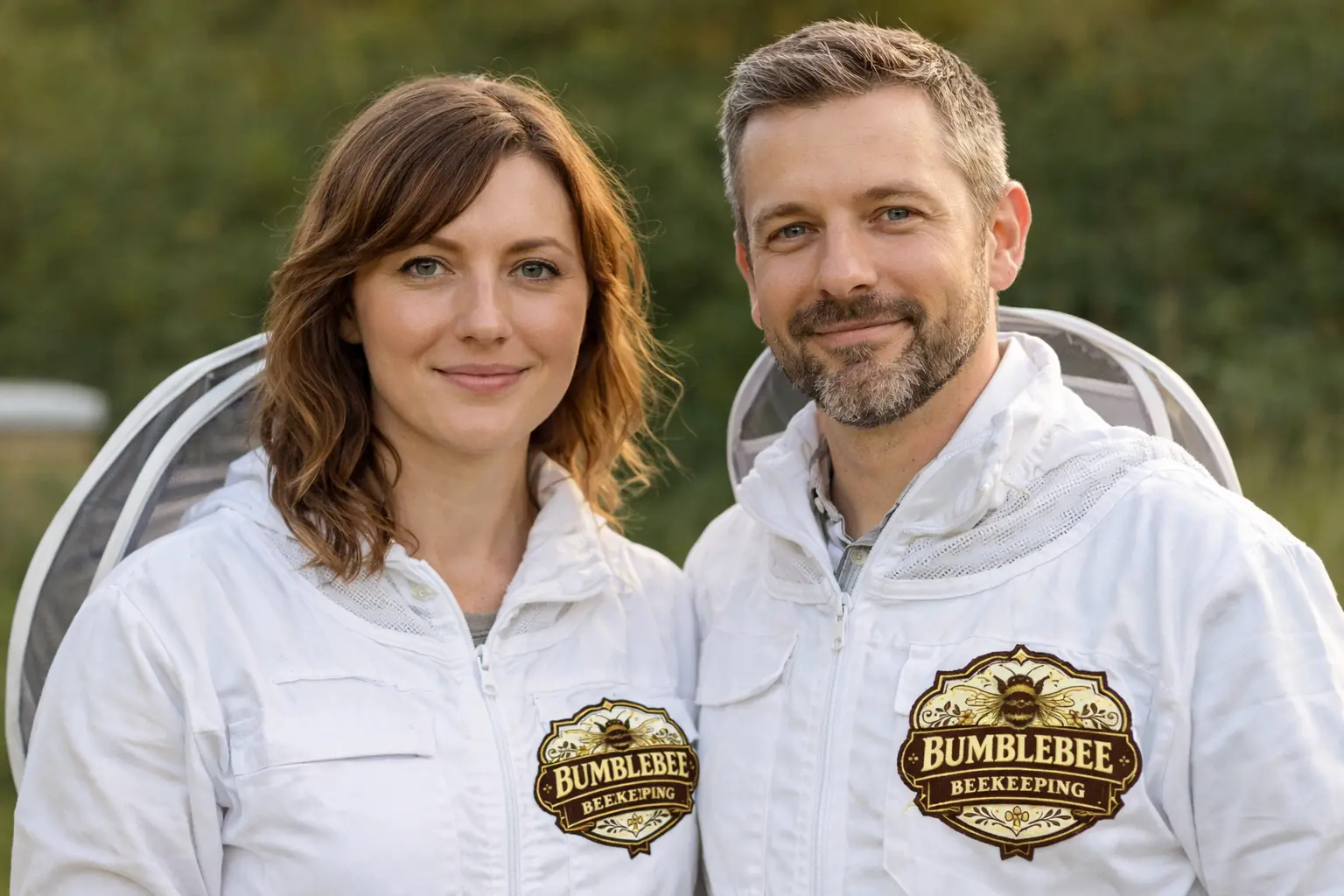
Bumblebee Beekeeping is a creative educational project guided by two AI-generated characters, Laurel and Nigel.
They are not real people, but carefully designed virtual personalities created to help explain the fascinating world of bumblebees, pollination, conservation, and bumblebee beekeeping in a simple and engaging way.
Through research-based content and clear guidance, this site aims to make knowledge about bumblebees accessible to everyone—from curious beginners to nature lovers who want to support pollinators and protect biodiversity.
Laurel and Nigel represent a modern approach to learning, where artificial intelligence helps share accurate information while inspiring deeper appreciation for the natural world.
Learn what bumblebees are, how they live, and why they are different from honeybees.
Discover how bumblebees improve pollination and how to create gardens that attract and support them.
Explore eco-friendly ways to protect bumblebees and support pollinators in nature.
Here are some common questions people ask about bumblebees, pollination, and how to protect these important pollinators.
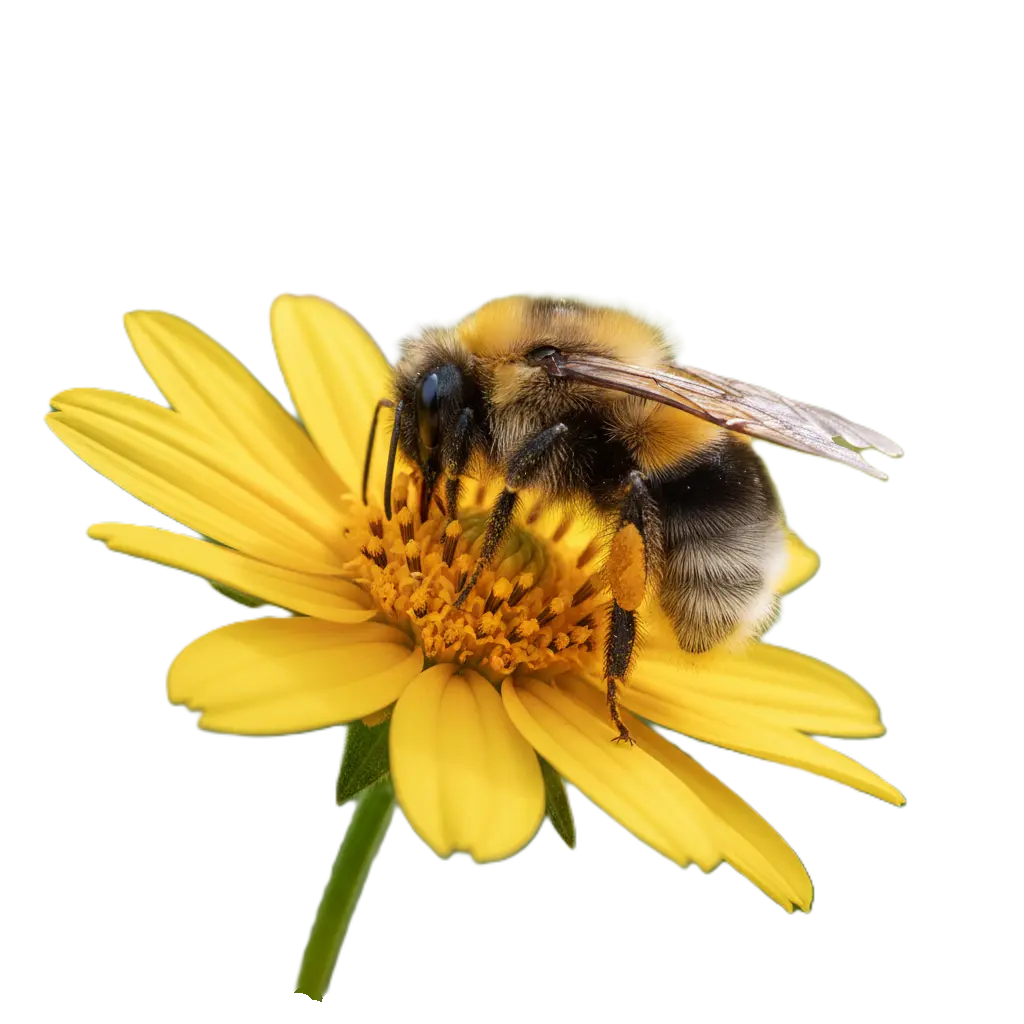
Bumblebees are large, fuzzy bees known for their important role in pollination. They are especially effective at pollinating flowers, fruits, and vegetables, even in cooler climates.
Bumblebees help plants reproduce through pollination. Without them, many crops and wild plants would struggle to survive, affecting food systems and biodiversity.
Bumblebees are generally calm and non-aggressive. They rarely sting unless they feel threatened or their nest is disturbed.
Unlike honeybees, bumblebees live in smaller colonies and do not produce large amounts of honey. They are better pollinators for certain plants due to their unique buzzing technique.
You can help by planting bee-friendly flowers, avoiding pesticides, supporting natural habitats, and learning more about pollinators.
No. This website is for educational purposes only and focuses on raising awareness about bumblebees and pollination.